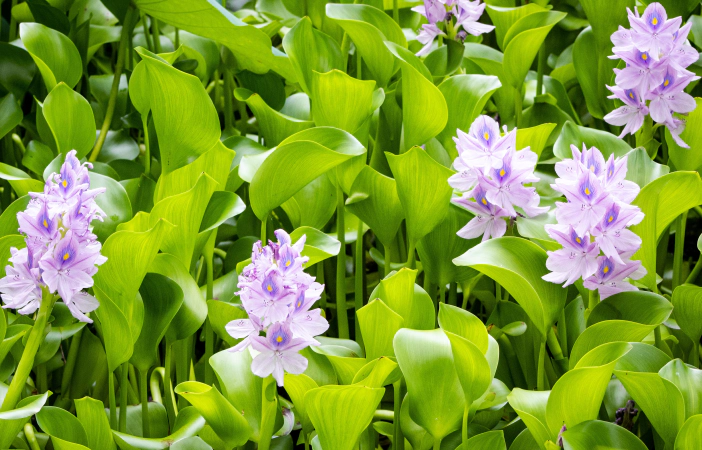
What if I told you that there was a way to keep your pond pristine without having to clean it every week?
Well, there is. The best part? It’s cheap, and it looks great while it does it. It’s called water hyacinth, and it’s the most powerful aquatic plant for keeping your pond clean.
You see, the problem with most ponds is that they don’t have enough plants in them. Sure, you might have a few lily pads for shade, and maybe even some water lettuce for removing nitrates, but I’m talking about having a proper, dense covering of plants.
This is where water hyacinth comes in. It multiplies rapidly and spreads out across the surface of your pond, so you’ll only need a few to start with. They’ll quickly cover the surface of your pond, which will help to keep it cool in the summer, and which will help to stop algae from growing.
This dense covering of water hyacinth will also keep your fish and other pond life safe from predators, and will also stop any fish you have from jumping out.
That’s all well and good, but the real benefit of having a dense covering of water hyacinth is that it’s going to keep your pond clean.
You see, water hyacinth is so powerful at removing nitrates from pond water that it will actually outcompete algae for them. This means that you can have a pond that’s just as clear as a koi pond, and one that’s just as easy to maintain as a float tank.
It’s not like water hyacinth is going to stop your pond from being able to grow algae. If you have a completely clear pond with no plants in it, then that’s when you’re going to get a huge algae bloom.
The thing is, water hyacinth is just so good at outcompeting algae that you’ll never have to worry about getting an algae bloom again. There’s a simple rule of thumb for how many water hyacinth you’ll need to keep your pond clean: just make sure that the surface of your pond is more than 50% covered with water hyacinth.
Even if you get it wrong, and you don’t have enough water hyacinth to keep your pond clean, then don’t worry. They’re so good at removing nitrates from your pond that you’ll be able to see them change color as they absorb them. They’re a pinkish purple color to start with, but they can become a deep purple if they’re absorbing a lot of nitrates.
All you have to do in that case is get rid of the water hyacinth that have absorbed the most nitrates, and replace them with new ones. It’s as simple as that.
If you have a pond that gets a lot of sun, then you might be worried about your water hyacinth getting scorched. If they do, then they’ll start to decompose, which will release nitrates back into your pond. This is what you’re trying to avoid.
The good news is that there’s a simple way to stop your water hyacinth from decomposing. Just use a shade cloth. You can find them on Amazon for less than 20 bucks, and they’re the best way to stop your water hyacinth from getting scorched.
If you’re going to use a shade cloth, then you’ll have to use a frame to hold it up. A great way to do this is to just use four wooden stakes to hold the corners of the shade cloth up.
What I recommend is to have the shade cloth a few inches above the surface of your pond, so that you’ll have a few air gaps where the shade cloth doesn’t touch the water. These air gaps will help to keep your pond cool, and they’ll also help to stop your water hyacinth from getting scorched.
That’s about it. If you want your pond to be completely self sustaining, then you should also have a few goldfish in it, because the amount of ammonia that goldfish produce is the exact amount of ammonia that water hyacinth need to be able to grow.
This is called the nitrogen cycle, and it’s how you can have your pond be completely self sustaining. Goldfish produce ammonia, which turns into nitrite, which turns into nitrate. Water hyacinth remove nitrates from your pond, which means that the nitrogen from the ammonia that goldfish produce gets completely recycled, which means that you can have an entire ecosystem in your pond that requires absolutely no input from you.
The best part? Plants like water hyacinth don’t produce any ammonia or nitrates themselves, so you can see that if you have a big enough pond, then just a few goldfish and a good amount of water hyacinth are going to be enough to have your pond completely self sustaining.