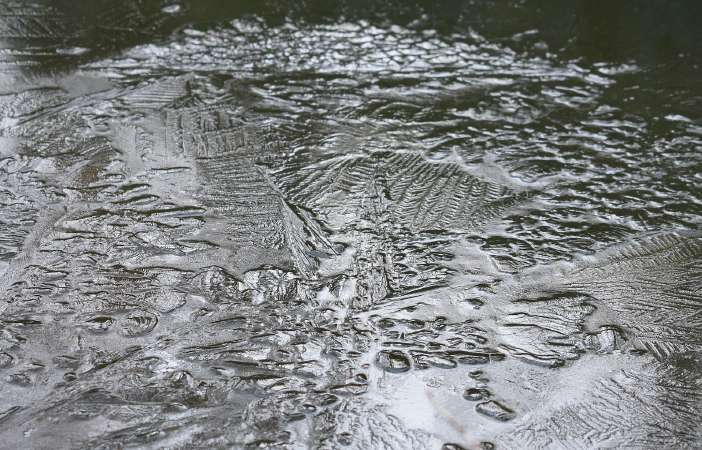
Harsh winter temperatures can be deadly for your fish if you don’t take measures to protect them.
So in this article, I’ll tell you why.
And I’ll give you some easy actionable steps to take too, to guarantee the safety and well-being of your fish during the freezing months.
The Changes that Happen to Your Fish When Your Pond Freezes
Here’s the thing, when your pond freezes over, your fish have to cope with a ton of changes that could seriously impact their health and even their chances of survival.
So it goes without saying that you shouldn’t take these changes lightly!
You see when the temperature drops, and your pond water starts to freeze, the metabolism of your fish starts to slow down. Fish are ectothermic - which is just a fancy term meaning that their body temperature is regulated by the environment around them.
Now I know what you’re thinking - isn’t that just an effective survival mechanism?
Well yes, but here’s the problem, the slowing of their metabolism also affects their immune system making them more susceptible to illness and disease.
But wait it gets worse:
How Freezing Pond Water Affects Living Conditions for Fish
Fish need oxygen to survive, just like we do. As a layer of ice forms on the surface, it cuts off the exchange of oxygen between the water and the air. Without enough oxygen, your fish will suffocate. Even mildly reduced levels of oxygen puts stress on their bodies.
And if that wasn’t a enough of a nightmare, the freezing process also affects the water chemistry.
pH levels start to become affected, and dissolved gases such as carbon dioxide become more concentrated. This could ultimately lead to a critical build up of toxins in the water - meaning serious health problems or even death for your fish.
But don’t worry, in the next sections, I’ll share a couple of practical solutions to keep your fish safe and healthy.
A Pond Heater Will keep Your Pond Oxygenated
Finally, some good news - I’ve got a couple of great solutions to help you keep your pond oxygenated and your fish happy and healthy when the temperature plummets.
First, and honestly this is by far your best option:
Get a pond heater! As the name suggests, this simple device is specifically designed to keep your pond from freezing over completely.
Now, the first thing you should know about pond heaters is that they aren’t designed to heat the whole of your pond!
No, they work by heating a just a small area of the water, creating enough warmth to stop ice from forming over a large enough area on the surface of the water for your fish breath and therefore survive.
No more worrying about their metabolism slowing to dangerously low levels, the lack of oxygen, or the build-up of toxins. Your fish will be able to carry living their best lives even during the coldest months of the year.
Pond heaters do other cool stuff too, such as regulating the water temperature to prevent extreme fluctuations that can stress your fish. Some pond heaters even have thermostats that allow you to set and maintain the ideal water temperature.
So what about the cost of running a pond heater? Well, surprisingly these devices are actually very energy-efficient. And the initial investment is well worth it if you want to make sure your pond stays oxygenated and ice-free.
Alternative: The DIY “Drop a Ball in the Water” Method
Now, I know not everyone wants to shell out money for a fancy pond heater, and that’s totally understandable. So, if you’re looking for a more affordable or temporary solution, I’ve got a nifty trick for you - my DIY “Drop a Ball in the Water” method.
Here’s how it works: all you need is one (or more) floating balls, preferably made of a material that does not absorb water, such as Styrofoam or plastic. Simply drop the ball into your pond before it freezes over.
As the water starts to freeze, the ball (when removed) will create a small opening, allowing for the exchange of oxygen between the water and the air.
The idea behind this method is that when the ball floats on the surface, it prevents a solid layer of ice from forming.
It’s a simple, low-cost solution that can make a significant difference in the well-being of your fish during the winter months.
Now, it’s important to note that the effectiveness of this DIY method may vary depending on the size of your pond and the severity of the freezing temperatures in your area. In extreme cold conditions, the floating ball may not be sufficient to prevent freezing entirely.
However, it can still provide some degree of oxygenation and help create a safe area for your fish.
So, if you’re looking for an alternative to a pond heater, the DIY “Drop a Ball in the Water” method is definitely worth a try.
Now that you have both a professional and a DIY solution at your disposal, you can choose the one that suits your needs and budget the best. Your fish will thank you for it, and you can sit back and enjoy the winter knowing you’ve taken all the necessary steps to ensure their well-being.
So there you have it - the scoop on what happens to your fish when your pond freezes and the steps you can take to protect them. Winter may bring cold and icy conditions, but with the right measures in place, you can ensure your fish survive and thrive.
Stay vigilant, my fellow fish enthusiasts, and may your ponds remain a cozy haven for your aquatic companions all year round!